What the Science Says Currently, there is no reliable scientific evidence suggesting that glutathione directly causes hair whitening or greying
However, wild harvests from untreated lakes are at an increased risk of heavy-metal or cyanotoxin contamination, which emphasizes the importance of rigorous sourcing to ensure product safety
This flexibility in administration routes offers practical advantages for addressing injuries in different body locations

To support healthy glutathione levels: Ensure adequate protein intake with sulfur-rich foods (eggs, poultry, fish, cruciferous vegetables) Meet choline requirements (only 11% of pregnant women achieve this) Supplement with vitamins C and E to support glutathione recycling Ensure adequate B vitamins (B6, B12, folate) for methylation support Minimize environmental exposures (chlorinated water, VOCs, formaldehyde) Consider N-acetylcysteine (NAC) supplementation under healthcare provider guidance Work with a functional medicine practitioner to optimize metabolic health before and during pregnancy When considering acetaminophen: Discuss your individual risk factors with your healthcare provider Consider whether you have PCOS, conceived via IVF, have gestational blood sugar issues, gallbladder issues, or choline deficiency Understand that "safe" doses assume normal detoxification capacity If you have compromised glutathione status, even therapeutic doses may pose risk The danger isn't acetaminophen as a moleculeit's the toxic metabolite created when vulnerable populations with impaired detoxification capacity try to process it

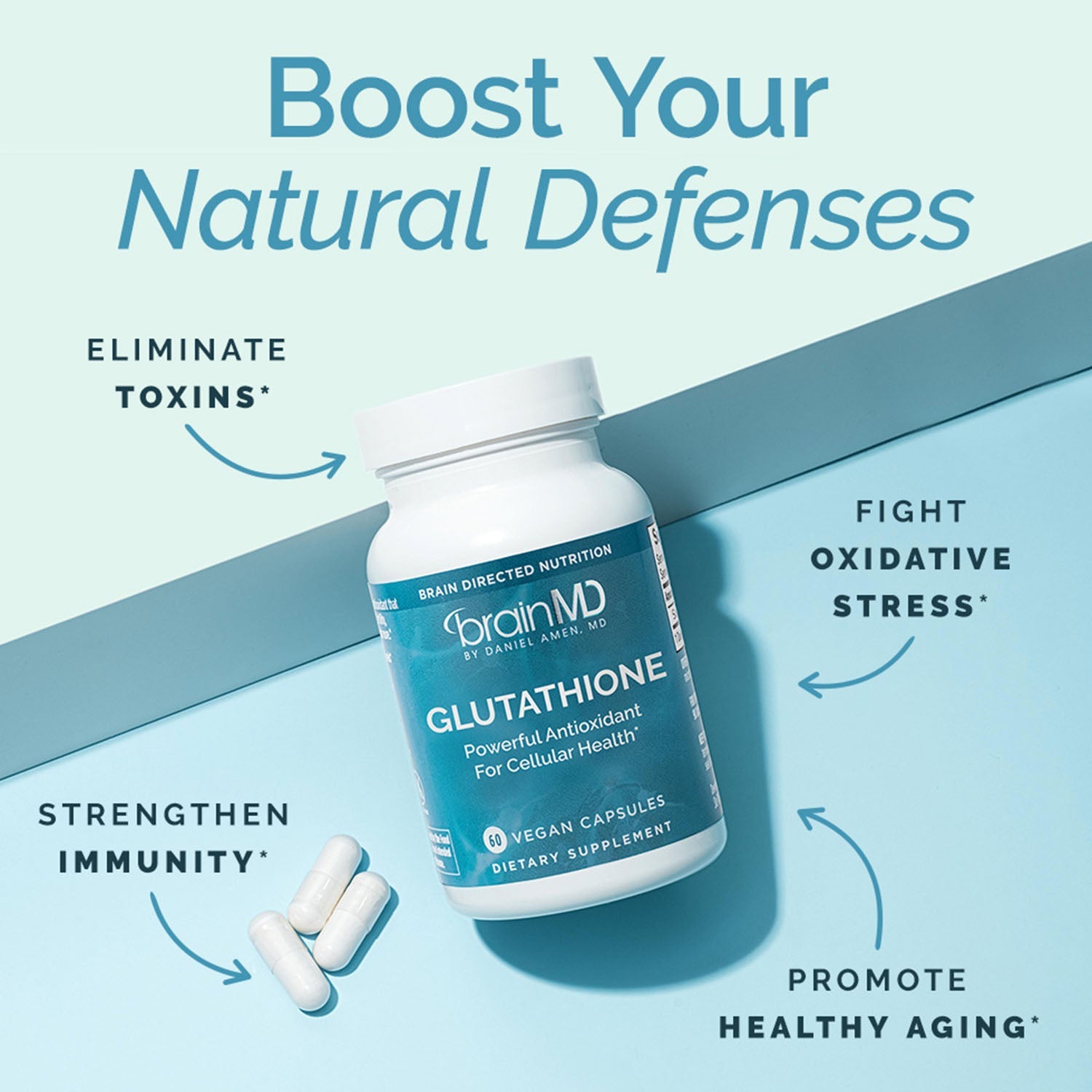
Glutathione Dosage Per Day: Recommended Intake & How to Take Feeling constantly tired, dealing with dull or uneven skin, or overwhelmed by the effects of stress, pollution, and modern living